How coverage works
What workers compensation includes.
Workers comp covers job-related injury and illness — medical costs, lost wages, rehabilitation, and in serious cases, disability or survivor benefits. Pricing is based on the type of work your employees do, your number of employees, your industry, and your claims history. Correct employee classification matters too — misclassified workers can mean paying more than necessary or carrying gaps you don't know about.


Higher risks, higher stakes
Agriculture and workers compensation.
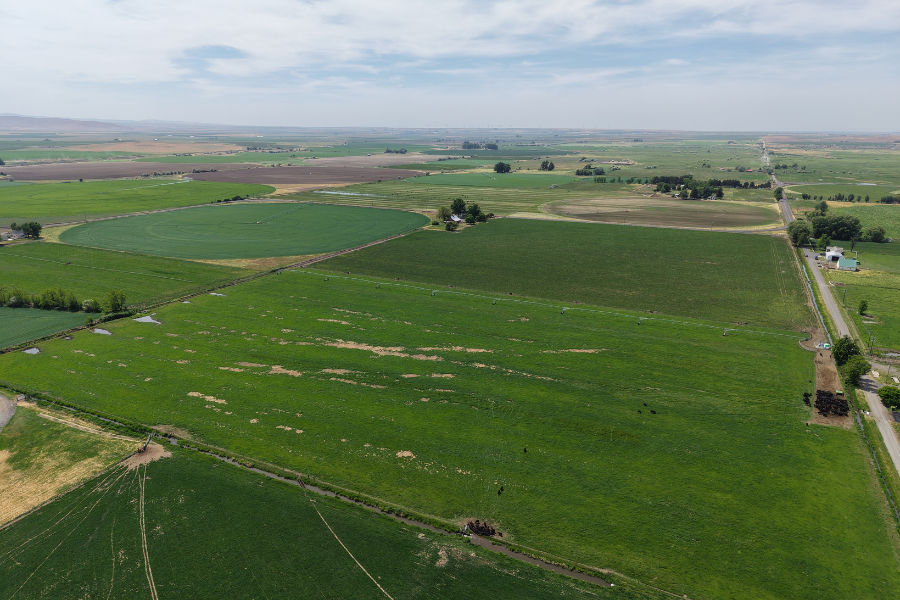
Farm and ranch operations carry some of the highest workers comp exposure of any industry. Equipment operation, physical labor, seasonal workers, and unpredictable conditions all contribute to elevated risk. Coverage requirements for agricultural employers can also differ from standard commercial employers depending on the state. We understand the nuances of ag labor and help make sure your coverage is structured correctly for the work being done.
In Washington, Oregon, and Idaho, agricultural workers compensation requirements vary and can catch farm employers off guard — particularly when it comes to seasonal and migrant labor, family members working on the farm, and the distinction between farm and non-farm employees. Getting these classifications right from the start matters both for compliance and for making sure your premiums accurately reflect your actual workforce.
Who we work with
Workers comp for farm operations of every size.
Whether you're running a family operation with a handful of employees or managing a large farm with a seasonal workforce of dozens, your workers compensation needs are specific to your industry. We work with a range of agricultural employers across the Pacific Northwest including:
- Crop farms and grain operations employing seasonal harvest labor
- Dairies and livestock operations with year-round employees
- Custom harvesters and ag service contractors
- Farm equipment operators and commercial ag trucking operations
- Orchards and specialty crop operations with large seasonal workforces

The risk of going without
What's at stake if coverage lapses or isn't in place.
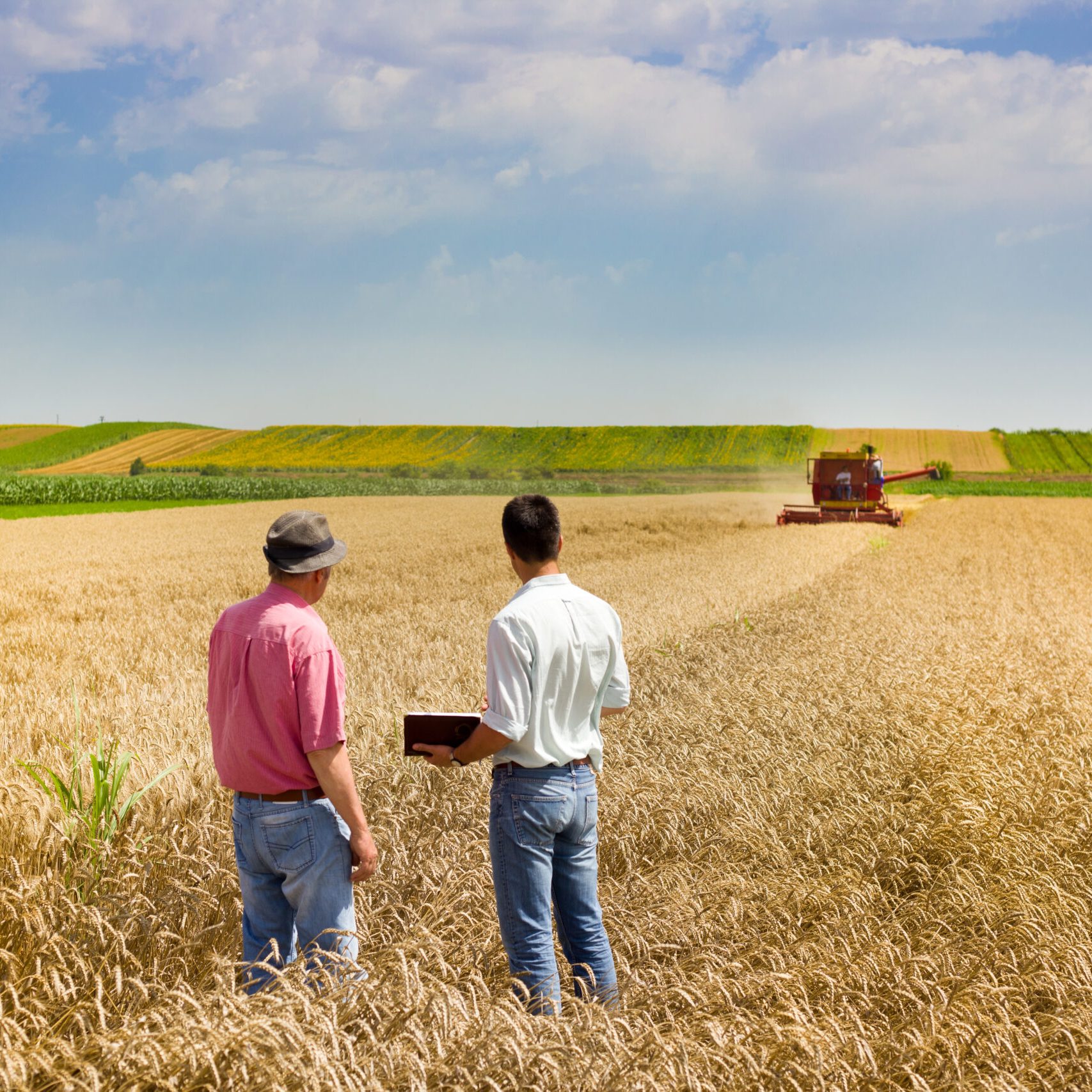
Operating without workers compensation coverage — or with incorrect coverage — can expose your business to significant liability. In most states, a lapse in coverage can result in fines, stop-work orders, and personal liability for the business owner if an employee is injured during that period. A single serious claim without coverage in place can cost far more than years of premiums. It's not a gap worth carrying.
The Graybeal Difference
Let's make sure your team is covered.
Your employees are the foundation of your operation. Let's talk through your workforce, your industry, and make sure your workers compensation coverage is accurate, compliant, and working the way it should.

What farm employers ask us most
Agricultural workers compensation — common questions.
Are seasonal farm workers required to be covered by workers compensation?
Requirements for seasonal and migrant agricultural workers vary by state. Washington, Oregon, and Idaho each have their own rules around agricultural employer coverage obligations — and they differ from standard commercial employer requirements. We help you understand exactly what applies to your operation and your workforce.
Do family members working on the farm need to be covered?
In most cases, family members working on a family-owned farm may be exempt from mandatory workers compensation coverage depending on the state and the structure of your business. However, voluntary coverage is often worth considering. We'll walk through your specific situation and help you make an informed decision.
What happens if I misclassify farm employees?
Misclassification — whether unintentional or not — can result in underpaid premiums, coverage gaps, and significant liability if a claim occurs. It can also trigger fines and back premiums owed to the state. We review your employee classifications as part of the coverage process to make sure everything is structured correctly.
Related Coverage
Are you fully covered?
Many of our ag trucking clients also carry farm insurance for their equipment and buildings, cargo insurance for their loads, and commercial umbrella insurance for additional liability protection on the road.
Our recent news
Latest news & articles.
-
USDA Announces Livestock Insurance Program Enhancements for 2027
The USDA’s Risk Management Agency just announced a meaningful set of updates to three of its core livestock insurance programs — Livestock Risk Protection (LRP), Livestock Gross Margin (LGM), and Dairy Revenue Protection (DRP) — set to take effect for the 2027 crop year. For ranchers and livestock producers, this…